Puppy’s First Grooming: When to Start, What to Expect and How to Prepare at Home
Puppy’s First Grooming: When to Start, What to Expect and How to Prepare at Home

The most common mistake with a first groom isn’t booking the wrong salon. It’s waiting. Owners leave it until the puppy is five or six months old — coat getting long, nails getting sharp — then book a full appointment, and the puppy walks into two hours of new smells, buzzing clippers, a dryer, strangers holding her paws, all at once. She panics, and now grooming means fear.
Start much earlier and much smaller. Gentle handling can begin at home from eight weeks, in 30-second games. A first salon visit should be a short introduction — bath, brush, nails, tidy — once your vet says vaccinations allow it, usually around twelve to sixteen weeks. The haircut can wait. The confidence can’t.
Start handling before any tools appear
During calm cuddle time, stroke your puppy’s ears, paws, tail and belly for a few seconds, and follow each touch with a tiny treat. Lift a lip, touch the teeth, hold each paw and gently press the pad as you would before trimming a nail — then don’t trim anything. You’re teaching one lesson: hands on paws and ears mean good things happen.
Do it once or twice a day and keep it to about 30 seconds while she’s young. If she mouths your hand or wriggles off, that’s information, not naughtiness. Let her go, try again later, and make the next round even shorter. Puppies who get to opt out early learn to stay relaxed; puppies who are held still until they stop struggling learn something else entirely.
Introduce tools and sounds gradually
One new thing at a time. Let her sniff the brush, do two gentle strokes, treat, done. Another day, run clippers or a hairdryer in the next room while she eats, so the noise becomes background. Another day, stand her in an empty, dry bath with treats scattered in it, and lift her out before she asks to leave.
Here’s a trick that pays off for years: tap a teaspoon gently against each nail while you feed treats, a few taps a day. It mimics the tap and pressure of clippers without cutting anything, so when real nail trimming starts, the sensation is already boring. Boring is exactly what you want.

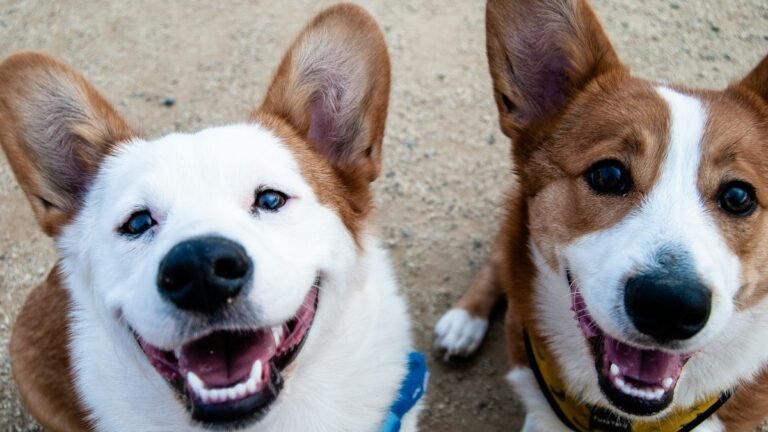
First grooming sessions should be short, calm and full of rewards.
The first bath and nail trim at home
Keep the first bath short, warm and shallow — lukewarm water around 37–39°C, just a few centimetres deep, with a non-slip mat down and everything within reach before she goes in. Five minutes is plenty. Wash the body, skip the head if that worries her, rinse well, and dry her straight away because small puppies chill fast.
For nails, set a rule that feels almost silly: one paw per evening, or even one nail, then stop and play. Four evenings gets all four paws done with zero drama. Owners who try to finish all eighteen nails in one sitting usually end up cutting one too short on a wriggling puppy — and that’s the memory that sticks.
Choosing and briefing a groomer
Look for a groomer who offers puppy introduction visits, works one-to-one or in small, calm groups, and will happily stop and rebook rather than push a frightened puppy through a full groom. Ask directly: “What do you do if a puppy panics?” The answer tells you most of what you need to know.
Tell them her age, vaccination status, anything she’s already scared of, and any health issues. Book the short puppy package first — bath, brush, nail trim and a light tidy — and expect it to take well under an hour. Save the full haircut for the second or third visit, when the place, the sounds and the person are familiar. See a vet instead if your puppy has mats tight to the skin that pull when touched, or panic that won’t settle at all even with slow, gentle practice at home — both need checking before a salon tries to work through them.

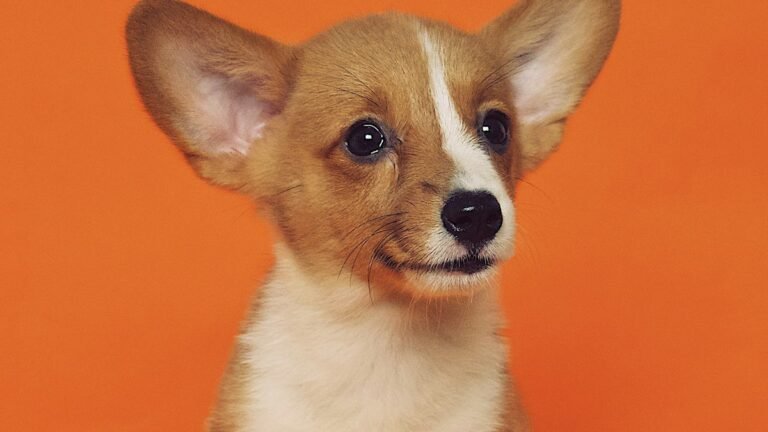
Calm introductions — to people, dogs and grooming tools alike — build a confident puppy.
Step-by-step: putting it into practice
- Play the handling game daily: Thirty seconds of paw, ear and mouth touches paired with treats, once or twice a day.
- Add one new thing at a time: Brush on Monday, dryer noise from another room on Tuesday, standing in the dry tub on Wednesday — never everything together.
- Book an introduction, not a transformation: Ask for a short puppy package, and ask if you can stay nearby or watch, if their policy allows it.
- Reward and rest afterwards: Keep the rest of the day calm, note what she coped with well, and pass that on to the groomer for next time.
Common mistakes to avoid
Booking the full works first time is the one at the top of this page, and it’s worth repeating: a two-hour groom is too much for a puppy who has never heard a dryer up close. The other big mistake is practising only on grooming day. If paws are only ever grabbed when clippers appear, paws become a warning sign. Handle them daily, when nothing is about to happen.
Don’t bath her the night before the salon visit to “help” the groomer, either — you’ll just double the stress in 24 hours, and the groomer would rather meet a slightly grubby, relaxed puppy. And skip the apologetic handover speech in front of her. Puppies read your tension quickly; a cheerful, boring goodbye works better.
Frequently asked questions
At what age can a puppy first be groomed?
Handling games start at home from eight weeks. Salon visits normally wait until your vet is happy with her vaccination cover, often around twelve to sixteen weeks. Ask your vet if you’re unsure — it depends on the course she’s on.
How often should puppies be groomed?
Little and often. Brief home sessions every week, and a salon visit every four to six weeks for breeds whose coats will be clipped as adults, so the routine never has time to become strange again.
What if my puppy is scared at the groomer?
A good groomer will slow down, shorten the session, or rebook the rest. Don’t be embarrassed and don’t let anyone push through. Fear at this age is useful information, and forcing it is how lasting grooming anxiety starts.
Should I groom my puppy before vaccinations?
Yes — at home. Handling, brushing and a gentle bath are all fine. Just avoid salons, shared grooming spaces and other unknown dogs until your vet confirms she’s protected.
Is a mobile dog groomer a good choice for a puppy’s first groom?
Often, yes. Mobile dog grooming happens in a van on your own driveway, so there is no crate wait, no barking roomful of unfamiliar dogs and no car journey either side – a calmer first experience for a nervous puppy, and you can watch how he is handled. Ask the same question you would ask any groomer: what do you do if a puppy panics mid-groom? And keep that first appointment short – a bath, tidy and nail trim is plenty, even if the van could do the full works.
The bottom line
Think of the first few months as lessons, not appointments: 30 seconds here, one paw there, one short visit that ends before she’s had enough. Puppies raised that way tend to walk into a salon at a year old like it’s nothing — which is the whole point. You’ll find more puppy and everyday care guides in our Dog Care section, and our Editorial Policy and Disclaimer set out how PetGleam content is created.